

How to Harvest Basil So It Will Come Back Stronger
Learn the right way to pick basil for continuous, bushy growth and a steady supply all summer.
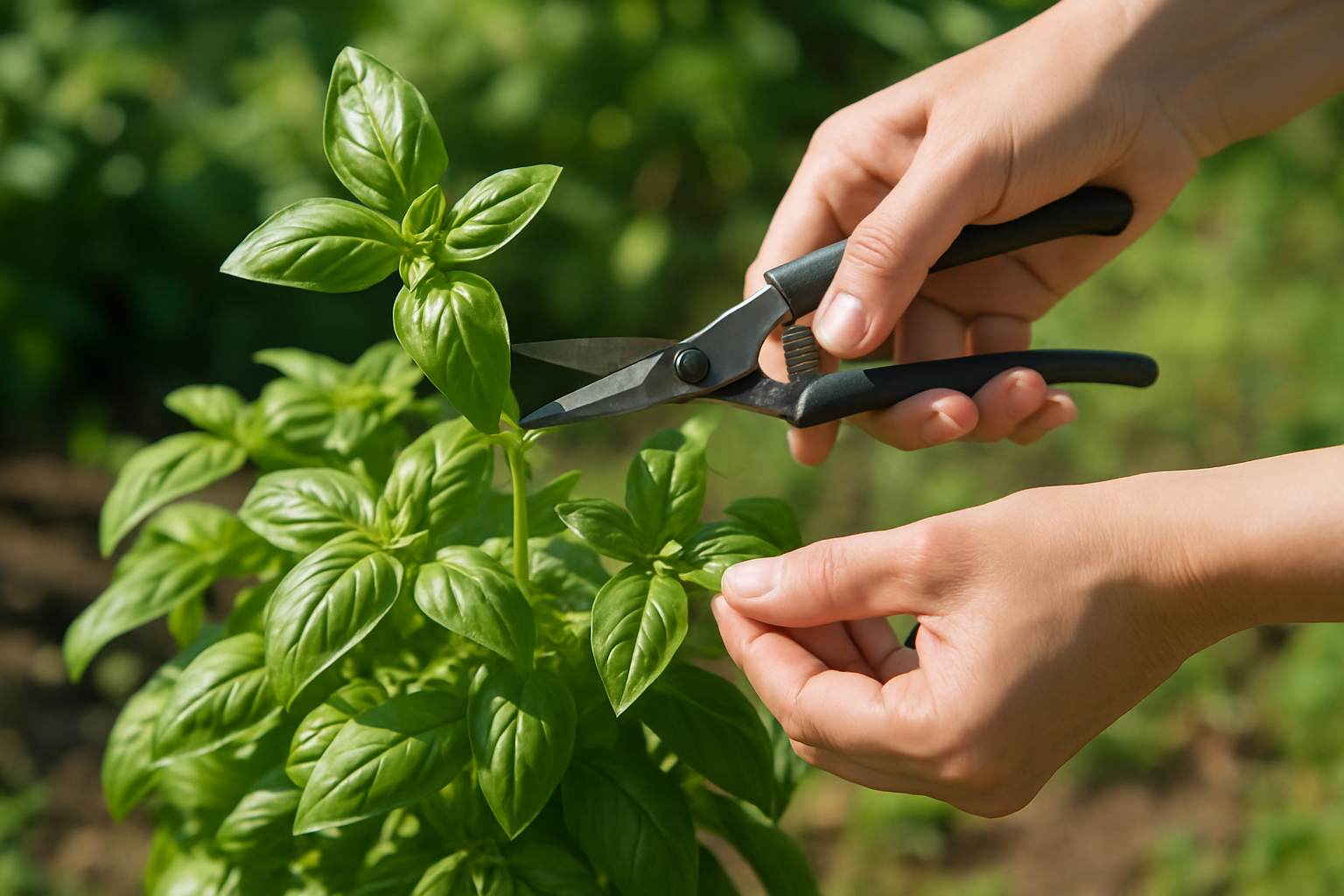
You want to harvest basil from your garden or windowsill, but you also want your plant to keep producing lush, flavorful leaves all season. Maybe you’ve picked a few leaves before, only to see your basil get leggy or stop growing back. The good news: with the right technique, you can enjoy a steady supply of basil for pesto, salads, and more—without harming your plant.
In this guide, you’ll learn exactly when and how to harvest basil so it will come back fuller each time. You’ll master the best timing, cutting methods, and aftercare to keep your basil plant thriving. By the end, you’ll know how to get continuous harvests and maximize every summer basil harvest.
When Is the Best Time to Harvest Basil?
Ideal plant size for first harvest
Wait until your basil plant has at least 6 to 8 healthy leaves on a stem and stands around 6 inches tall before your first real harvest. This ensures the plant is strong enough to handle cutting and will bounce back quickly.
Signs basil is ready to be picked
Look for stems with multiple sets of leaves and vibrant green color. If you spot tiny new leaves forming at a leaf joint (node), that’s a sign your plant is ready. Avoid harvesting from a weak or yellowing plant—give it a week or two to recover first. Once you see robust growth, you can start your summer basil harvest confidently.
How to Harvest Basil for Continuous Growth
Cutting above the node: why it matters
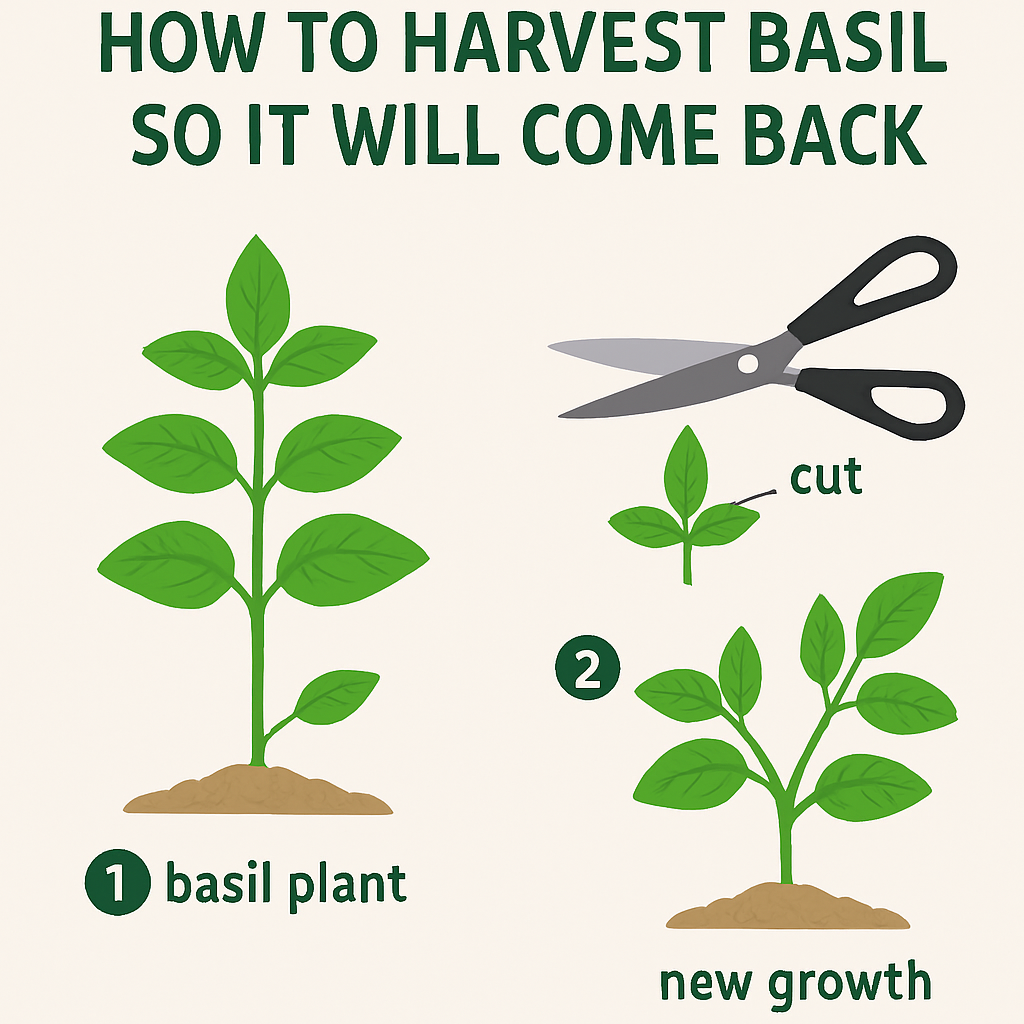
Always cut above the node—that’s the spot where two leaves meet the stem. This is crucial because new shoots will sprout from these nodes, ensuring a bushy comeback after each harvest.
Techniques: pinching vs. cutting stems
You can use your fingers to pinch basil stems or use clean scissors for a precise cut. Pinching works well for small harvests, while scissors are better for thicker stems. Either way, always leave at least two sets of leaves below your cut.
Avoiding common harvesting mistakes
Don’t just pluck single leaves—this slows regrowth. Avoid cutting too close to the soil, which can stress the plant. Focus on taking ⅓ of the plant at a time, and rotate where you harvest to keep the basil stems healthy. After harvesting, water your plant and place it in bright, indirect light for best recovery.
Take action: Next time you harvest, cut just above a node and watch for new branches to sprout within days.
How to Encourage a Bushy Basil Plant
Pruning tips to promote multiple stems
Regular basil pruning encourages your plant to branch out. Every time you harvest above a node, you stimulate two new shoots, doubling your future harvests. Start pruning when the plant is young and repeat every 1–2 weeks for best results.
Removing flower buds to extend leaf production
As soon as you see flower buds forming, pinch them off. Flowering signals the plant to stop growing leaves and focus on seeds, which reduces flavor and leaf production. Removing buds keeps your plant in leaf-making mode and extends your basil harvest into late summer.
Action step: Check your basil weekly for flower buds and prune regularly for a bushy, productive plant.
What Happens If You Cut Basil Too Low?
Basil’s ability to regrow from roots
If you cut your basil down to the soil, it can sometimes send up new shoots from healthy roots, especially if the plant is well-established. However, this process is slow and the plant may not recover fully during the same season.
How to care for basil after heavy harvesting
After a heavy harvest, water your plant and provide a balanced fertilizer to support basil regrowth. Avoid harvesting again until you see new growth. Protect the plant from harsh sun and keep the soil moist but not soggy. This gives your basil the best chance to bounce back—even after an accidental close cut.
Action: If you over-harvest, focus on gentle care and patience to help your basil recover.
Best Practices for Preserving Your Basil Harvest
Freezing vs. drying basil leaves
To keep your basil leaves flavorful, freezing is often better than drying. Chop leaves and freeze them in ice cube trays with a splash of water or olive oil for easy use in recipes like pesto pasta.
Using olive oil to preserve flavor
Blending basil with olive oil before freezing helps lock in the fresh taste. You can also make a simple basil oil for drizzling over caprese salad or pasta dishes.
Storing fresh basil for maximum shelf life
For short-term storage, keep stems in a glass of water at room temperature, changing the water daily. Avoid refrigeration, which can cause browning. These preserving basil tips will help you enjoy your harvest for weeks.
Try freezing your next big harvest for year-round basil flavor.
Common Basil Harvesting Mistakes to Avoid
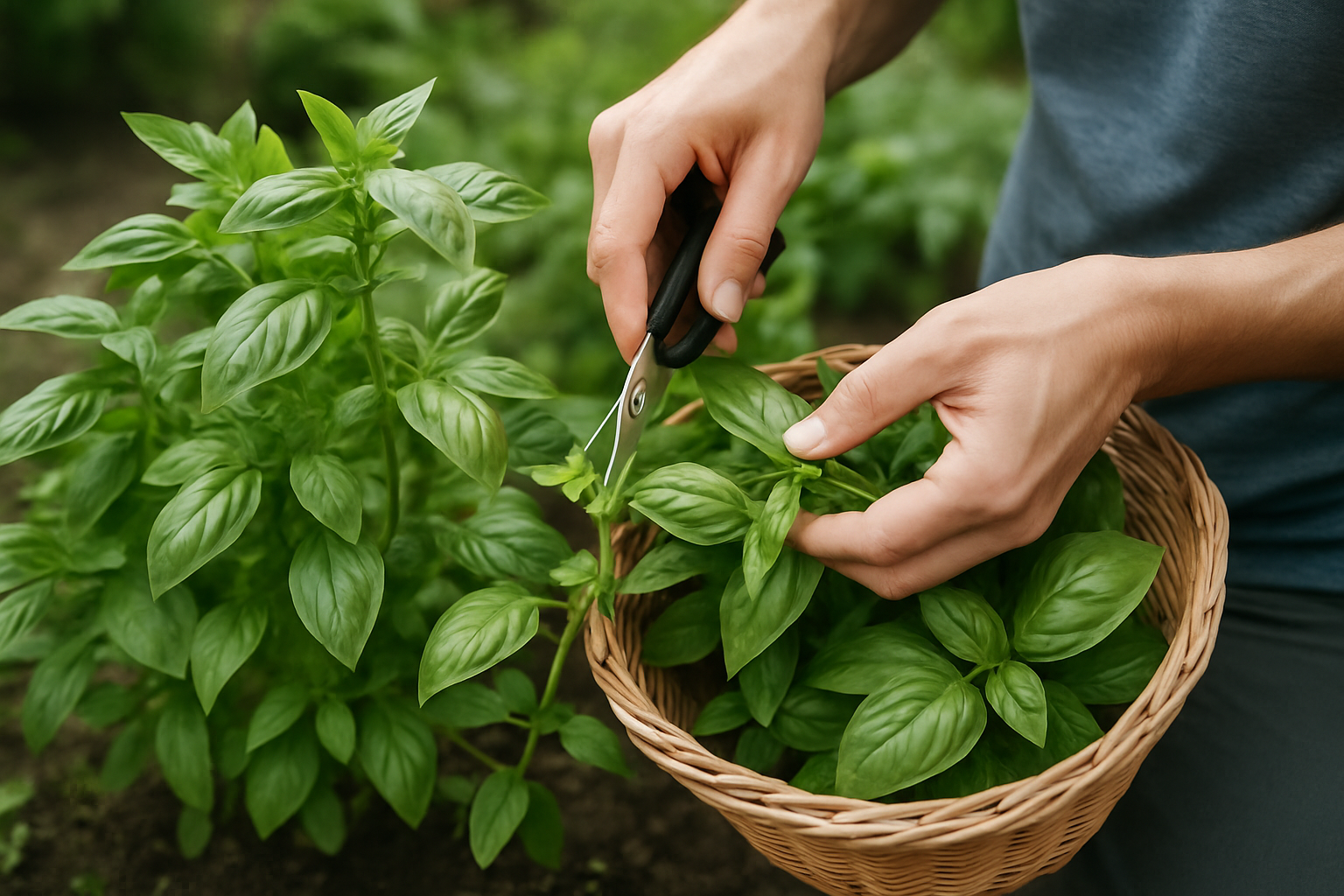
Many gardeners make simple mistakes that limit their harvesting tips success. Avoid pulling single leaves, which slows new growth. Don’t let your basil flower too early—remove buds as soon as they appear. Never cut more than one-third of the plant at a time, or you risk stunting regrowth. Finally, always use clean scissors or hands to prevent disease. By steering clear of these errors, you’ll set yourself up for a thriving, productive basil patch.
Action: Review your harvest technique and adjust as needed to avoid these common pitfalls.
Using Your Fresh Basil: Culinary Ideas and Tips
Now that you have a steady supply of sweet basil, put it to good use! Add fresh leaves to caprese salad, blend into pesto pasta, or sprinkle over pizza and sandwiches for a burst of flavor. Try infusing olive oil with basil for a quick salad dressing. Use your freshest leaves for raw dishes, and save older leaves for cooked recipes. With continuous harvesting, you’ll always have basil on hand for your favorite summer dishes.
Action: Experiment with a new basil recipe this week to enjoy the fruits of your harvest.
How often can I harvest basil without harming the plant?
You can harvest basil every 1–2 weeks, as long as you leave at least two sets of leaves on each stem and avoid taking more than one-third of the plant at a time.
Can I harvest basil after it starts flowering?
Yes, but the leaves may become bitter and growth will slow. Pinch off flower buds as soon as you see them to keep the plant producing fresh leaves.
What if I accidentally cut my basil too low?
If your basil has healthy roots, it may regrow from the base, but recovery will be slower. Focus on gentle care and avoid further harvesting until new shoots appear.
Can I use the stems as well as the leaves?
Tender basil stems can be used in pesto and sauces, but thicker, woody stems are best discarded or used for infusing oils.
What’s the best way to store fresh basil after harvesting?
Place stems in a glass of water at room temperature and change the water daily. Avoid refrigeration, which can cause leaves to blacken.
Can I harvest basil in the evening or is morning better?
Morning is best, as the leaves are most hydrated and flavorful. Avoid harvesting during the heat of the day to prevent wilting.
What if my basil gets leggy even after pruning?
Increase pruning frequency and ensure your plant gets enough sunlight. Leggy growth often means the plant is reaching for light or not being pruned regularly enough.